


Livestock farming requires the right equipment to ensure animals remain healthy, safe, and easy to manage. Whether raising cattle, sheep, goats, or horses, proper tools help farmers provide consistent feeding, safe handling, and efficient daily care. Using quality livestock equipment also reduces stress for animals and improves overall farm productivity.
This guide covers the basic livestock care equipment every farm should consider and why each item plays an important role in animal welfare and farm management.
Proper nutrition is essential for livestock health and growth. Feeding equipment helps distribute food efficiently while minimizing waste. Common feeding tools include hay feeders, grain feeders, and feed troughs designed for different animals.
Modern livestock farms often use specialized feeding systems to make feeding easier and more consistent. For example, hay feeders and troughs help keep feed clean and accessible while preventing animals from trampling or wasting it. High-quality feeders are designed to reduce feed loss and support daily feeding routines.
Other important feeding and watering tools include:
For farms looking to improve feeding efficiency, exploring dedicated livestock feeder solutions can help optimize feed use and maintain animal health.
Internal link: https://www.bosagrural.com.au/categories/livestock-feeders
Proper feeding systems ensure animals receive consistent nutrition while keeping the feeding area organized and clean.
Handling livestock safely is one of the most important aspects of farm management. Handling equipment allows farmers to move, sort, and treat animals with minimal stress or risk.
Examples of livestock handling equipment include:
Stockyard systems and handling equipment are designed to improve safety and efficiency when working with livestock. These structures help guide animals through controlled pathways, making routine tasks like vaccination, weighing, or transport easier.
In larger operations, equipment such as cattle chutes or crushes may also be used to safely restrain animals for treatment or inspection.
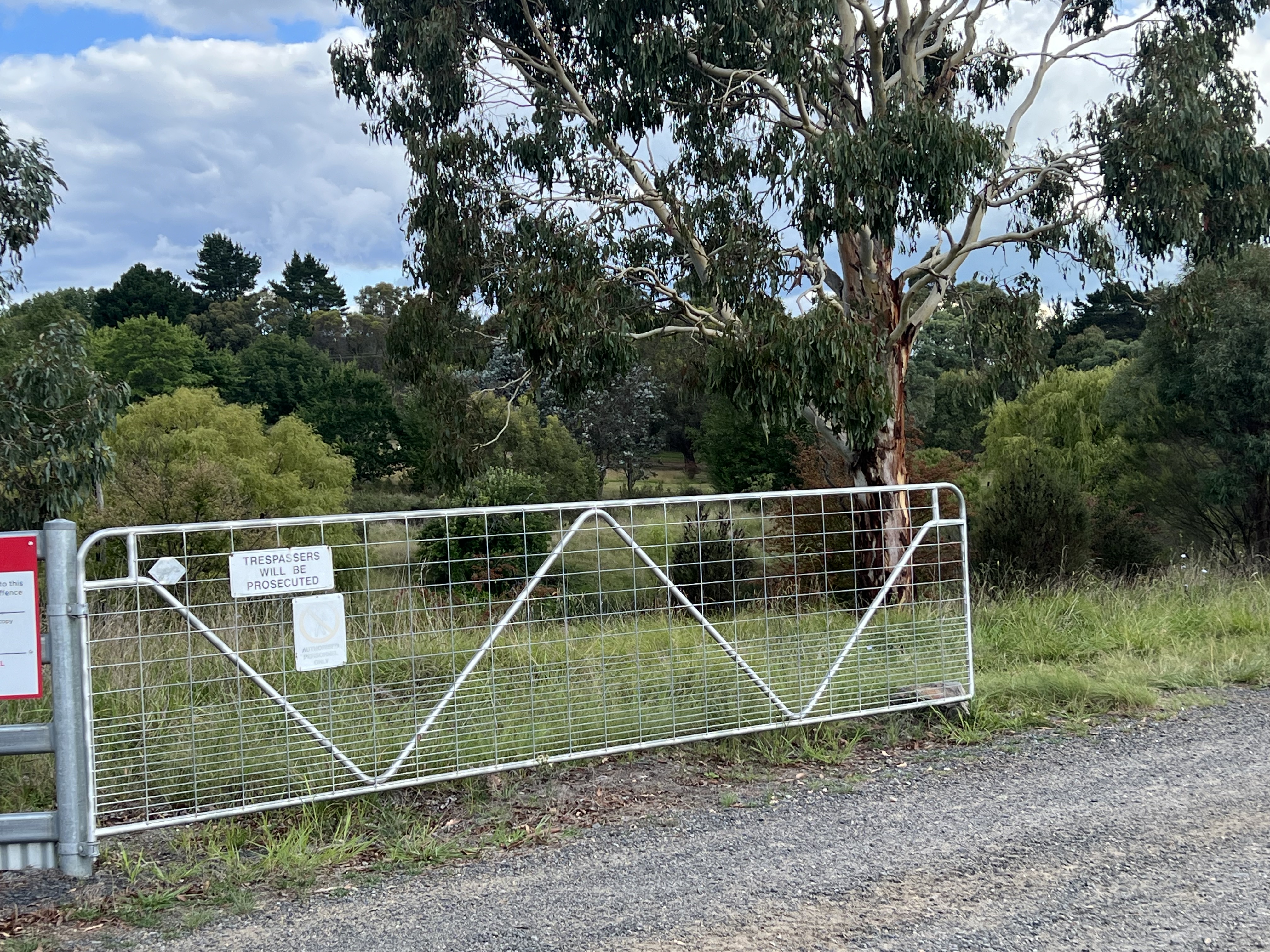
Fencing systems are essential for keeping livestock secure and preventing animals from wandering into unsafe areas. Strong fencing also protects livestock from predators and helps manage grazing areas.
Common fencing and containment equipment includes:
Reliable gate systems and durable fencing hardware ensure that livestock remain safely contained while allowing easy access for farmers when needed.
Beyond feeding and handling, livestock farmers need basic health care tools to monitor and maintain animal well-being. These tools help identify problems early and prevent the spread of disease.
Basic animal care tools may include:
Maintaining proper health equipment allows farmers to treat injuries, manage parasites, and support overall herd health.
Shelter protects livestock from extreme weather conditions such as heat, rain, and wind. Providing proper shelter improves animal comfort and helps maintain productivity.
Important infrastructure elements include:
Well-designed housing also contributes to a clean and safe environment, which is essential for preventing illness and maintaining animal welfare.
Selecting the right livestock equipment depends on several factors:
Investing in durable, high-quality equipment improves farm efficiency and reduces long-term maintenance costs. Reliable livestock tools also make everyday tasks easier and safer for both farmers and animals.
Livestock care begins with the right equipment. From feeders and handling systems to fencing and health tools, each piece of equipment plays a role in maintaining a productive and humane farming environment.
By choosing well-designed livestock equipment and maintaining proper care routines, farmers can improve animal welfare, reduce operational challenges, and build a more efficient livestock operation.
External reference: https://www.wexfordins.com/post/what-equipment-do-you-need-to-start-a-livestock-farm
BosAg Rural is a 100% Australian owned family business supplying wholesale Agricultural Hardware & Building Products to Australia’s Rural Retail Industry.
Melbourne
West Footscray VIC
Contact via Head Office


